
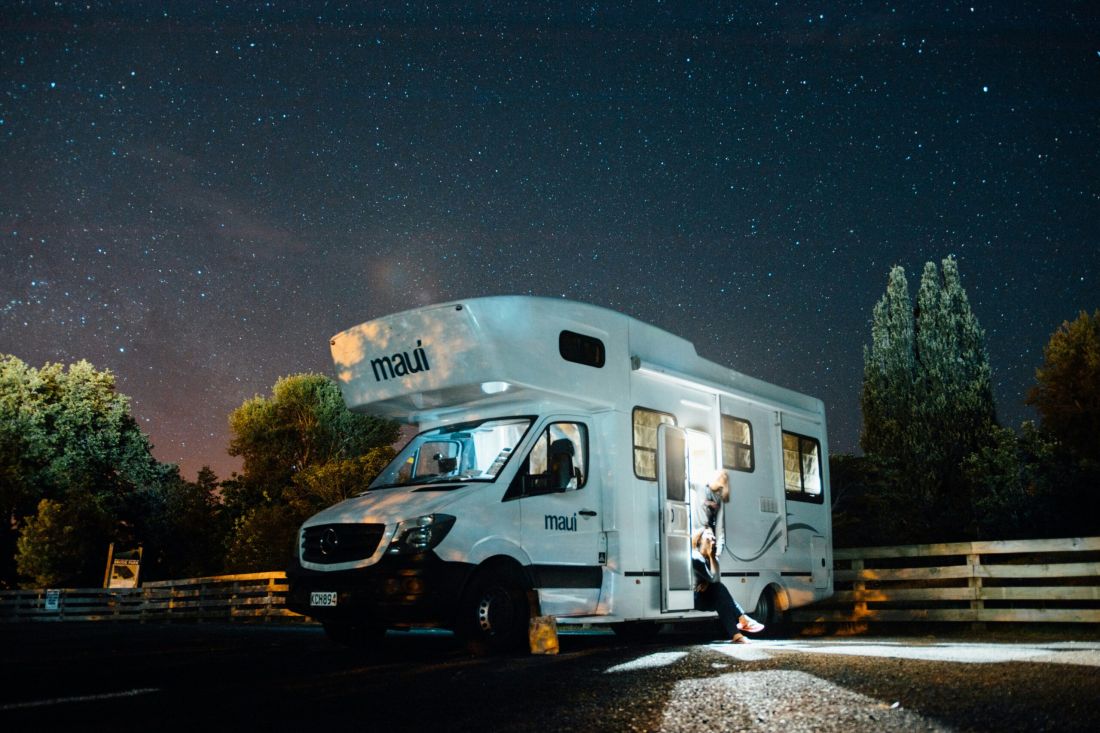
Can You Live in a Motorhome?
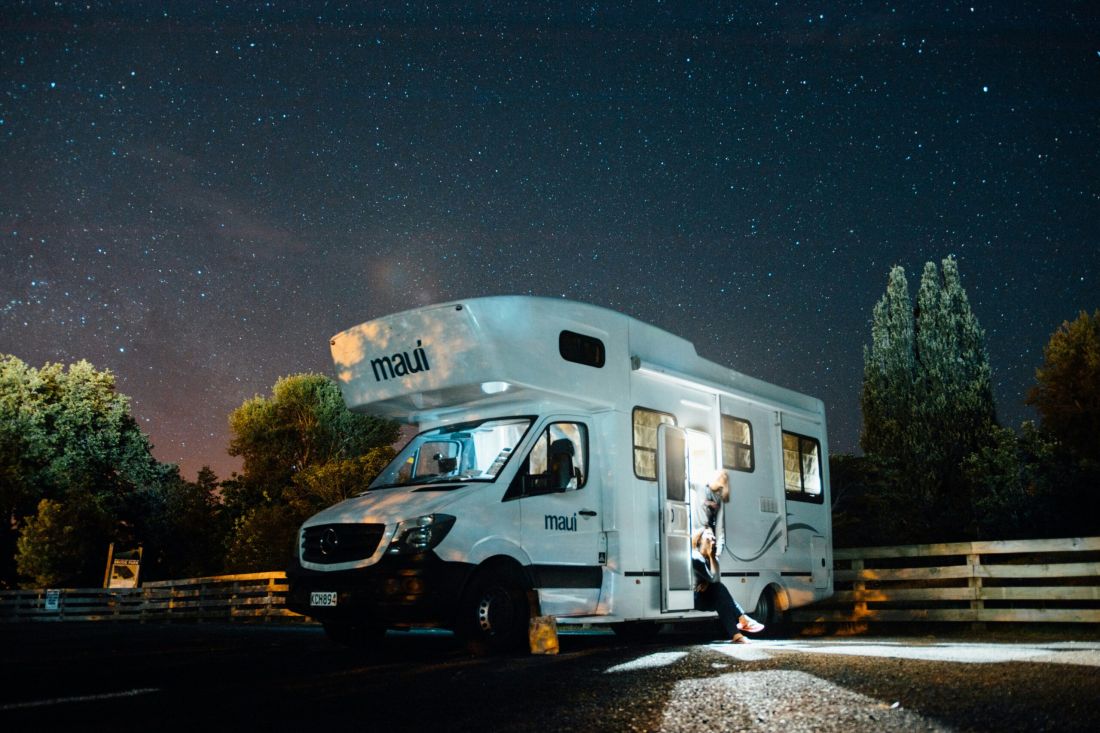
With the cost of living being what it is, many people are looking at ways to find a more affordable way to put a roof over their heads. You may have seen stories of couples who have chosen to spend a year or two living on a cruise ship due to it being cheaper than a mortgage and utility bills. For some though, a cruise ship may be pushing things to the extreme. A motorhome, on the other hand, could be a whole lot more affordable and keep you closer to your family.
The good news is that you can live in a motorhome, it’s totally legal and subject to you meeting just a few small criteria, it may not pose much of a problem at all.
In this blog, we look at how you can live in a motorhome and the key considerations you need to bear in mind before you up sticks and opt for a life on the road.
What are the laws for living in a motorhome?
There is currently no law in place that stops you from living in a motorhome, but you must make sure you hold a valid driving licence for the vehicle and have it fully MOT’d. In addition, you’ll need to make sure you have tax and insurance secured. Without these, you’ll be doing the equivalent of driving illegally and that can come with huge fines.
Perhaps something else to be mindful of is parking. Whilst you can remain living in the motorhome, where you decide to stay could be a restricted area that does not allow parking. This could see penalty charge notices issued meaning you’ll have to relocate if you want to remain living in your motorhome.
What to consider if living in motorhome full time
If you decide that motorhome living will be a full-time thing, you’ll need to weigh up a few key considerations before selling the house and setting off on the open road.
Planning permission
We recently covered the rules around parking a motorhome on the street and explained how they can vary from place to place. As a result, you’ll need to look at where you plan to stay. And if it involves parking on a street, find out what the rules are.
Should you be “off-road” and planning on settling somewhere, you should find out from the council whether there are any specific rules for where you are planning to stay. Some places will state that you will need planning permission if you wish to set up a permanent residence in a motorhome.
Lack of permanent address
It might be all fun and exciting to find a different place to live every few weeks, but the lack of a permanent address could hinder you from receiving important information, registering for appointments or possibly applying for work or benefits.
The living space
Depending on how many of you are going to be living in the motorhome, you’ll need to factor in whether the vehicle you own provides what you need for the number of people using it. Smaller spaces can look messy quickly despite best efforts, and privacy can be hard to find. Such thoughts could lead you to look at alternate motorhome options, if so, speak to Euphoria. We can organise affordable motorhome finance quickly so your life on the road can begin sooner rather than later.
Work and schooling
The very idea of living in a motorhome likely means that you aren’t going to be living locally. This will need to be thought about, especially if still employed and unable to work from home, or you have children who will have to move schools.
Length of stays
You may have found ideal campsites to park up, but it should be noted that many places have restrictions in place for how long you can use their facilities. Research this for each place you plan to stay so you can maximise your time at the venue.
Access to facilities
Living in a standard house, you’ll find electricity, free-flowing water and waste disposal all readily available, living in a motorhome will mean you’ll need to source this yourself and that can take up time.
What are the benefits of living in a motorhome?
The list we have just provided may put a downer on your plans but that is certainly not our intention. We want to be open and honest with you so you can jump into this new way of living fully prepared. For now, let’s look at the benefits of living in a motorhome, and there are plenty.
- Lower cost of living: Perhaps the reason you are considering living in a motorhome is that reducing the cost of living is hugely advantageous. No mortgage, utility bills, council tax. The savings you make could allow you to find more time to enjoy life a little more.
- Freedom: You choose where you want to live when you want to live there. One day could be at one end of the country, another day you could be hundreds of miles in the opposite direction. All the while meeting new people, enjoying new experiences and making lasting memories.
We may have condensed those benefits into just two items, but each comes with so much more. The lower cost of living will bring you so much more opportunity that you may have previously missed out on, and the freedom means travel dreams you once had can now be achieved quickly rather than having to put them off year after year.
Where can I live in a motorhome?
Depending on how you want to live whilst on the road could limit your opportunities. As we touched upon earlier, some sites have limited stays, and many are not open all year round. This means you may have to research a host of places across a broad distance. Wild camping for example is one common choice people make. Wild camping is where you set up a home in an area not listed as a campsite. This could be random fields, random streets, dense woodland or anywhere else you think would be worth exploring. Wild camping though can be risky, and you could face prosecution if you decide to stay where a landowner has forbidden it or if there are other specific rules about parking a vehicle.
This doesn’t mean all avenues are closed though. Friends or family with a spare driveway or spare land may welcome your visit and stopover. In some cases, landowners will allow a motorhome owner to rent a space as their base and some residential parks allow motorhomes to stay alongside their properties too.
Do I need planning permission to live in a motorhome?
If you own land and decide to make use of it as a residential base for your motorhome, you may need to seek planning permission before you can call that space home. You can though, stay on your property, living in a motorhome for up to 28 days within 12 months, providing there is a connection to water, electricity and gas that is non-permanent. However, should the use of a motorhome be “incidental” to a dwelling or house and be within the land or area attached to the home, no planning permission will be needed. Confusing? Just a little. So, check with your local authority before setting up camp on your own land.
Key considerations when finding a motorhome to live in
If you haven’t yet got as far as purchasing your motorhome but have decided this is how you want to live, you could look at a fast house sale expert to help you get things moving. You can then begin to look at motorhome options that suit your budget and needs.
Before diving in and buying the first motorhome you find, you need to look at the size. Will it offer what you need for the number of people using it? Furthermore:
- Is it sufficiently insulated for colder weather?
- Does the plumbing work well?
- Do you have adequate storage?
- Does it contain enough essential equipment to support living?
- If it’s a used model, what is the mileage like?
- Is there a good service history?
- Is it comfortable?
Living in a motorhome can be filled with adventure and excitement but you must also weigh up a host of challenges you are likely to encounter. If you are still keen, speak to our team at Euphoria Finance today so we can help you start your motorhome journey. Get a quick motorhome finance quote now.