
What Are the Classes of Motorhomes?
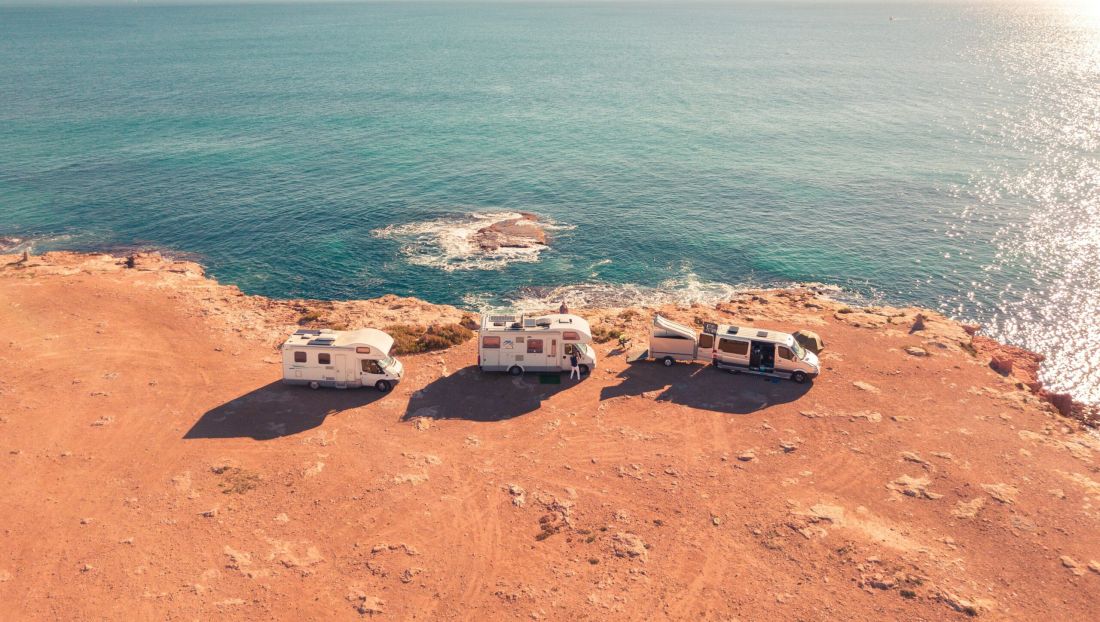
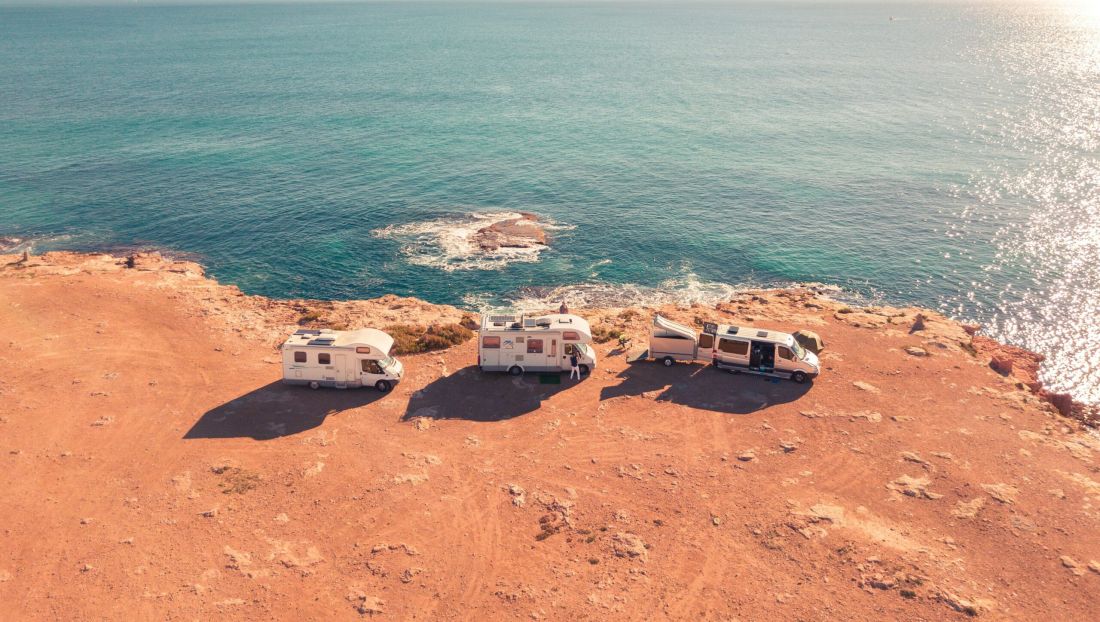
If you are in the market for a motorhome, it soon becomes a minefield of confusion with the vast array available. Perhaps further adding to the uncertainty is which class of motorhome you should focus on. There are three classes of motorhome: A, B and C. Each has its own characteristics and advantages over the others.
Class A: The largest, most expensive option, packed full of amenities, luxuries and sleeping space.
Class B: Smaller than the Class A motorhome and often packed with just the essentials and no luxuries.
Class C: Bigger than a Class B, smaller than a Class A motorhome. Recognisable by the cutaway driver cab and overhang on top of it.
So, let’s dive a little deeper so you can decide which motorhome class works best for you.
What is a motorhome?
Before going any further, let’s clarify what a motorhome is. Quite often, you can see other vehicles labelled as such, and that can add to the confusion when on the forecourt or viewing the vehicle at someone’s home.
A motorhome is defined as any self-contained RV that can provide BOTH transportation and living quarters for users.
What is a Class A motorhome?
A Class A motorhome is the big boy of motorhomes. Think large living spaces, a host of amenities, luxurious furnishings and a broad range of features. So stacked with quality, you could think of them as mini homes on wheels.
A heavy-duty chassis, like those found on 18-wheelers, provides robust quality, and the ample space and numerous features make it a great long-term accommodation option.
Features of a Class A motorhome typically include:
- Self-contained bathroom
- Full kitchen and associated equipment
- TVs
- Large living spaces
- Large sleeping areas
How much does a Class A motorhome cost?
Much depends on whether you are shopping for a new or used model. It’s possible to pick up a good used motorhome on finance for £50,000 to £100,000. A brand-new model can easily cost more than £200,000. That being said, new models can also be found for under £100,000.
Can I drive a Class A motorhome on my driving licence?
If you want to drive a Class A motorhome, you’ll be able to use a standard Cat B licence if the motorhome weighs less than 3500kg. Should it have an MAM (Maximum Authorised Mass) of between 3.5tn and 7.5tn, a Cat C1 licence is required. If the vehicle has a MAM of more than 7.5tn, a Cat C licence is needed.
Disadvantages of Class A motorhomes
Despite the large space and wide range of amenities, Class A motorhomes aren’t always the best option. They can be extremely expensive, have poor fuel efficiency, are not always easy to park, and on some campsites, they are forbidden from entering.
What is a Class B motorhome?
A Class B motorhome is the smallest of the motorhome classes. It’s often best suited for those on short trips or those who only travel occasionally. You may see them referred to as a campervan or van conversion. They contain significantly fewer amenities and features than a Class A motorhome, but will include the essentials such as a toilet, shower and sleeping space. On occasion, you’ll find a Class B motorhome with the same features as a Class A.
Size-wise, a Class B motorhome is considerably smaller than a Class A motorhome. This means it’s unlikely to be your choice of accommodation or transport for a family trip. Good fuel economy, easy to park, and a less complicated driving experience, on the other hand, mean solo travellers and couples can benefit from owning a Class B motorhome.
Features of a Class B motorhome often include:
- Washroom with shower and toilet
- Kitchen space
- Larger living space than a typical campervan
- Ample storage space
How much does a Class B motorhome cost?
Class B motorhomes are considerably cheaper than Class A motorhomes, with new models available from £40,000 to £60,000. Used vehicles will cost less, but you should compare prices and features against those of a new model to see whether the asking price is fair.
Can I drive a Class B motorhome on my driving licence?
Yes. Practically all Class B motorhomes are suitable for those holding a standard driving licence. As with Class A motorhomes, should the vehicle exceed a certain MAM, a different licence will be needed. This is unlikely, though. The size difference between a Class A and B motorhome is, for the most part, substantial.
What are the disadvantages of a Class B motorhome?
With the substantial size difference between a Class A and Class B motorhome, you’ll find things much cosier in a Class B vehicle. There is often a limited amount of sleeping space, and bathroom features tend to be cramped. With fewer amenities and more limited features, some trips may become more stressful than enjoyable!
What is a Class C motorhome?
It may seem odd, but a Class C motorhome sits between the Class A and B versions. Not quite as big as a Class A but bigger than a Class B, the Class C motorhome offers more space than what is found in a Class B without the bulk of a Class A.
A Class C motorhome is distinguishable by its cab or cut-away chassis. You’ll spot an overhang on top of the driver’s cab. This is often used as a sleeping or storage area.
They are spacious, providing sleep space for up to six people, sometimes more. They are also furnished with a wide range of features, making them great for longer trips. Perhaps the easiest way to view a Class C motorhome, is like a Class A, but with fewer features and a little less space.
Features of a Class C motorhome include:
- Lots of storage space
- Large living areas
- Kitchen facilities
- Bathroom facilities
- Sleep space for 6+ people
How much does a Class C motorhome cost?
Class C motorhomes will vary in cost depending on the features included within them. It’s possible to pick up brand-new models from £40,000 to £50,000, but some fully equipped, and more spacious models can easily top the £100,000 mark.
Can I drive a Class C motorhome on my driving licence?
In many cases, you’ll need to get a new driving licence. If the MAM exceeds 3.5tn, you’ll need a Cat C1, and if the MAM is more than 7.5tn, you’ll need a Cat C.
What are the disadvantages of a Class C motorhome?
Depending on the Class C motorhome you choose (with or without an overhang on the driver’s cab), you’ll encounter some disadvantages. They can be a drain on fuel, and those with the overhang are sometimes a little more difficult to handle. You’ll also notice a huge variance in prices, meaning it can be easy to find yourself paying more than you should.
Choosing the right motorhome can be difficult, especially if you are trying to stick to a budget but want to benefit from as many features as possible. Euphoria Finance can help. We have access to all types of motorhomes and, with our expert advice, can guide you towards the correct vehicle. What’s more, as direct lenders, we make securing motorhome finance easy. Even those with bad credit can still hear us say “Yes!” Why not get in touch today and see how we can help?