
Can You Live in a Caravan?
If mortgage costs are getting you down, or the housing market is proving difficult to negotiate, chances are you’re probably drawing up a short list of alternative housing arrangements. One possible addition to that list is a caravan. Before you start looking to secure a new caravan on finance, though, it’s worth answering the question “Can you live in a caravan?” Simply put, yes you can. However, much depends on the caravan type and the abidance of particular rules. Read on to find out more.
What type of caravan could I live in?
There are two types of caravans you can live in: a static caravan and a touring caravan. A static caravan is the type you see in residential caravan parks and occasionally in place of a house on private land.
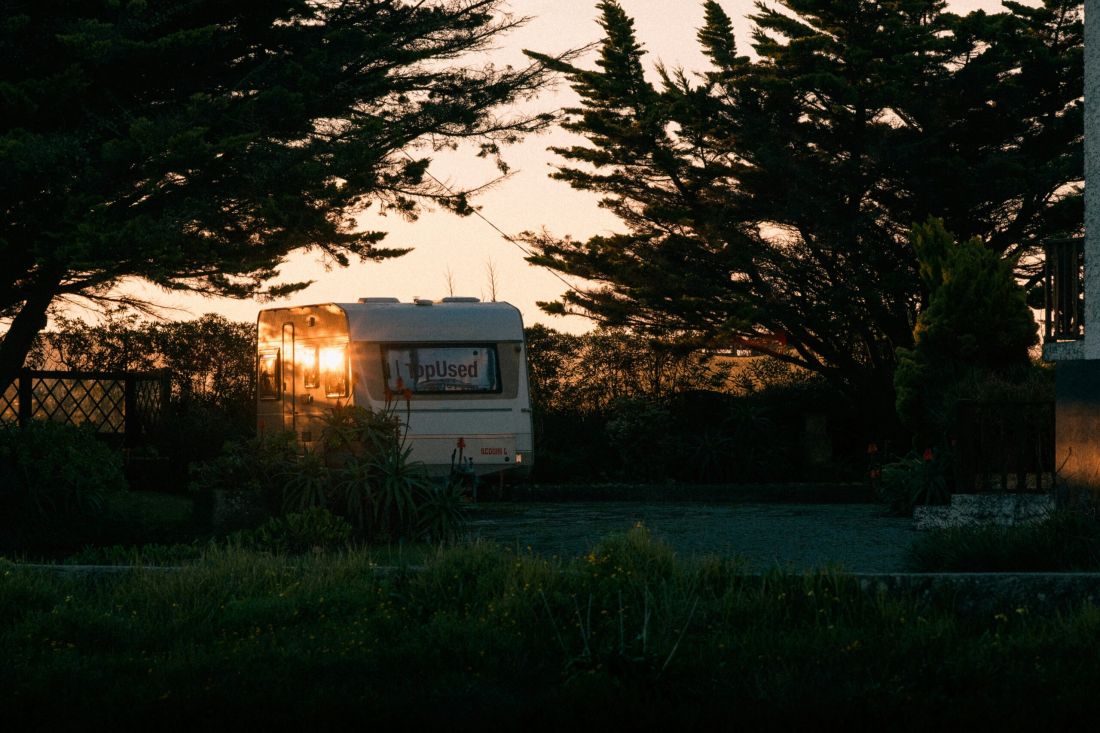
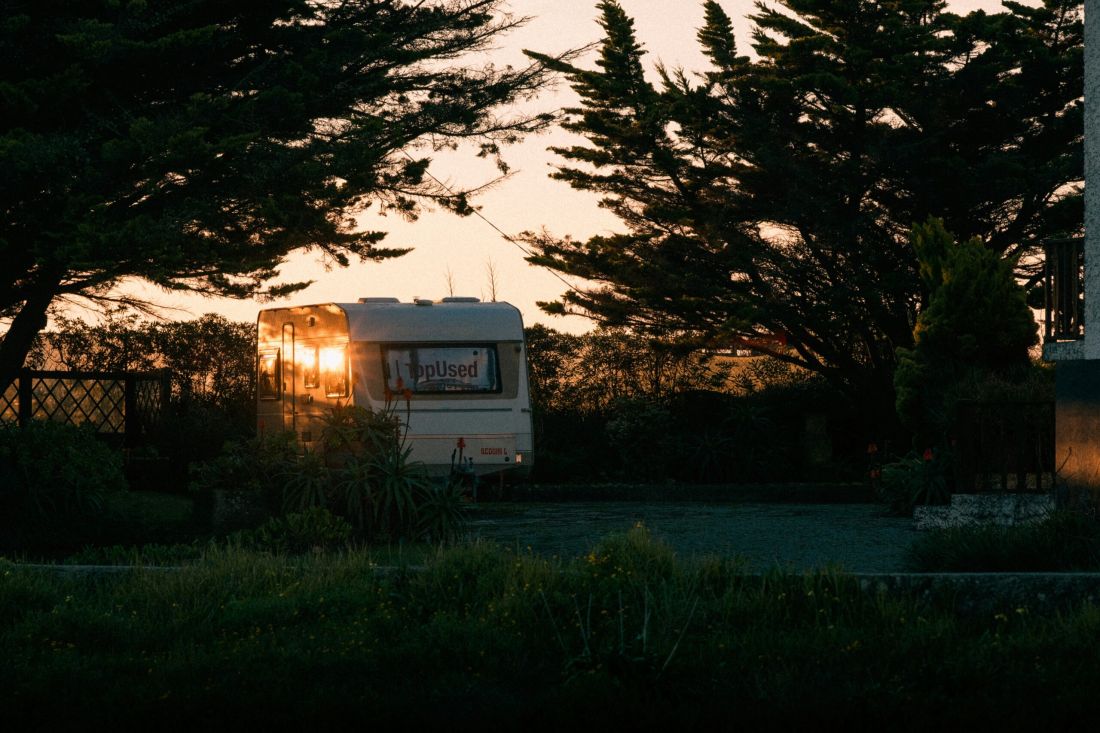
The touring caravan is on wheels – the type you tow behind your car, which you might see in holiday parks or on driveways.
Both can be lived in, but each has specific rules to follow before you can call one home.
Can you live in a static caravan?
You can live in a static caravan, but will need to ensure you have the relevant planning permission if you choose to do so on your own land. Local authorities will also need to permit you to live in a static caravan if it is to be your main place of residence. In addition, each local authority may have its own specific rules you are required to follow.
Should the caravan be added to the grounds of an existing home, the rules alter again, and in some cases, planning permission will not be required.
The best thing to do is to contact your local council planning department to find out what their requirements are. That way, you can be confident that your caravan plans won’t be hindered by falling foul of regulations.
Can you live in a touring caravan?
Yes, you can live in a touring caravan – however, much like with static caravans, there are specific rules to adhere to. The main one is that if you wish to class a touring caravan as a permanent residence, you first need to have a building permit in place. Should you pitch up on a specific caravan site, you can only keep your touring caravan there for 28 days before you are required to move on. Although, you could return to the same place 48 hours later if you wish.
You cannot live in a caravan parked on a street or in a holiday park.
Again, as with static caravans, you should consult your local council to see what the specific rules are for your area. Whilst some may be happy with a building permit and planning permission, others may also ask you to meet additional specific rules and requirements.
Why live in a caravan?
The choice of living in a caravan might be one that you’ve given a lot of thought to, and should there be no issues with planning permission or securing a spot at a residential park, you could soon see plenty of benefits.
We are all concerned about the cost of living at the moment, and a caravan can help to lower this. For instance, your council tax would be much lower than that of a house, and your utility bills will be a fraction of what they were before. There is also the removal of costly mortgage payments and the interest that comes with them.
Further benefits of living in a caravan include:
- Fewer repairs and less maintenance
- Freedom to move elsewhere (should you be in a touring caravan)
- Chances to discover new places
- More disposable income
Of course, these benefits may allow you to enjoy life in a different way than before. Having the opportunity to live in a variety of locations could open up new career paths, new friendships and a discovery of a new way of life.
However, choosing to live in a caravan can also have its drawbacks.
What are the downsides of living in a caravan?
In our opinion, the positives of living in a caravan largely outweigh the negatives, but these concerns are worth taking note of, especially if you are still undecided about what to do.
You’ll have to factor in that living space is now substantially reduced. Where you could previously shut yourself away from the rest of the household if things were getting a little hectic, in a caravan, the walls are thin and the rooms are close, giving much less opportunity for respite.
Reduced living space also comes with reduced storage, so if you are moving your entire home into a caravan, you could find that things are extremely cramped.
You might also have difficulty in deciding where to base yourself if you are frequently on the move. Some venues might be fully booked, and others may only be able to offer you a limited period to stay.
How to start the process of living in a caravan
As we touched upon earlier, it isn’t wise to race off and buy a caravan immediately, especially if you then find a planning application denied.
Before doing anything, think about whether this is something you want to do. Can you envisage your permanent home being a static or touring caravan? If you can, then it’s time to start planning. If you have doubts, you can always return to it later.
For the time being, let’s assume you are looking to push ahead with caravan life. Firstly, find out all the costs. How much will your caravan cost? What are the fees for planning applications? Are there any specific fees you need to cover?
Then, decide where you want to be based. Will you be looking to stay local or move further afield? Remember, planning rules may vary per county and these could play a huge part in where you choose to settle.
It might now be a good time to look at putting your house on the market. Selling a house can take months and if time is of the essence, a sell house fast company might be beneficial to help you align with your plans to live in a caravan sooner rather than later.
With a destination in mind, look into the availability of residential parks for static caravans or private land for a touring caravan. Residential parks may require a reservation fee for your plot. Private land will need to be purchased before you can park a caravan upon it.
If you haven’t already, you’ll need to secure your caravan for either the park or the land. Our team at Euphoria can help you with both new and used models should you be looking for caravan finance.
With the house sold, the caravan secured and the land ready, you can get moving. Simply organise transport and any other logistics, and away you go.
If you’ve started to feel that life in a caravan could be for you, speak to our team. At Euphoria Finance, we help you find the best possible caravan for your needs. With finance available for those with good or bad credit, it’s a simple process with quick results. Why not apply today? Alternatively, we answer the question, “can you live in a motorhome?” in another edition of our blog if own one of those.